
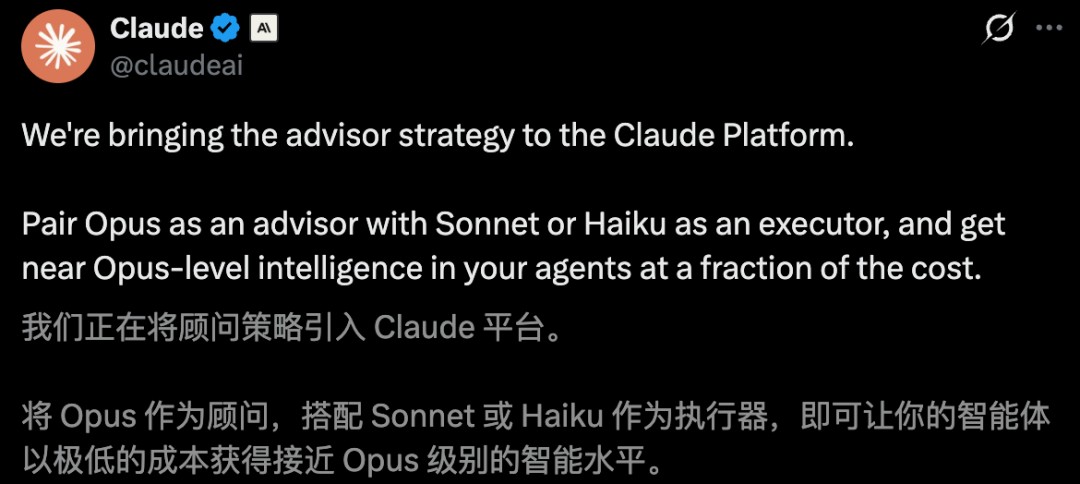
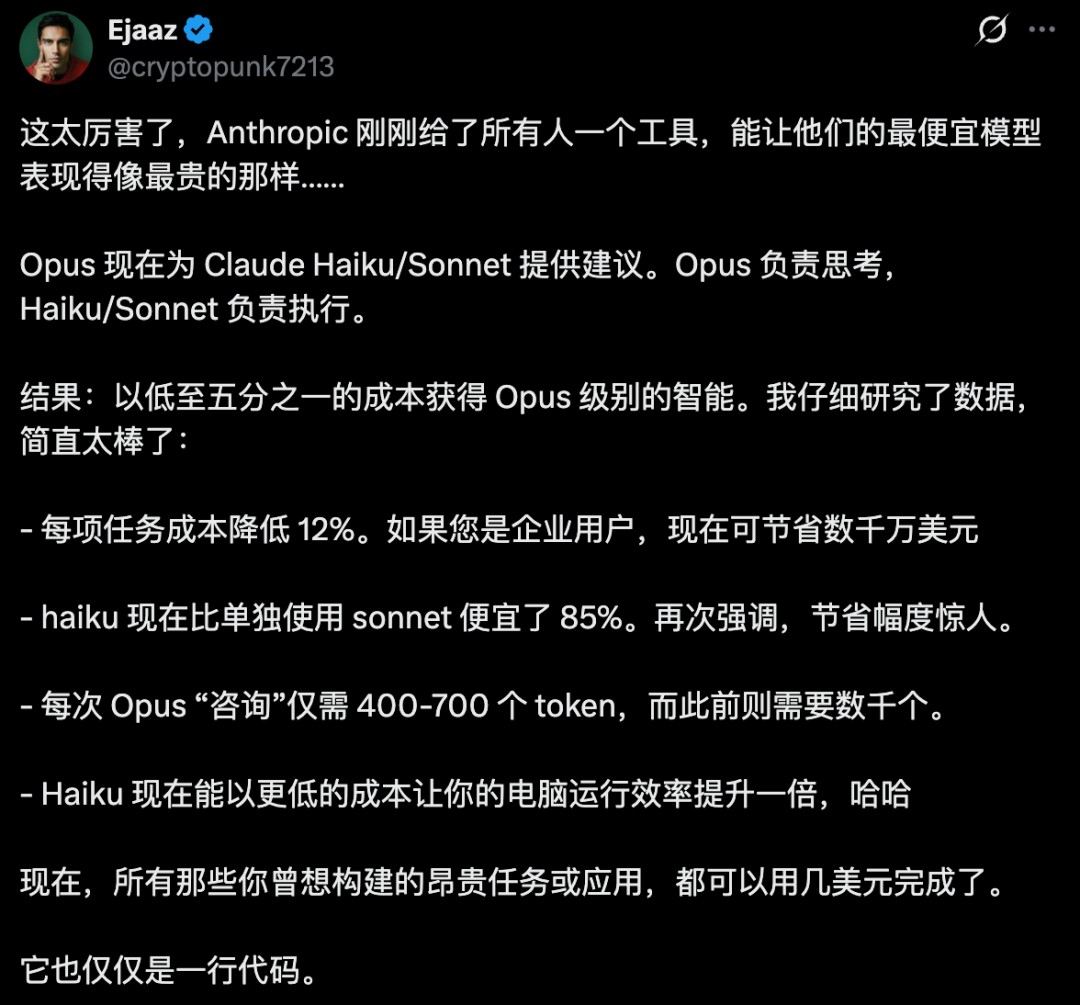
Anthropic just dropped a game changer for Claude users. Their new Advisor Strategy lets you pair the powerful Opus 4.6 model with cheaper Sonnet or Haiku models. The result? You get near-Opus level intelligence while cutting your AI agent costs by up to 85 percent. This is not a minor update. It is a complete rethink of how AI agents should work.
On April 9, 2026, Anthropic quietly launched the Advisor Strategy on the Claude Platform. They call it the “Advisor Strategy” and it is built around one simple idea.
Here is the core logic in plain English.
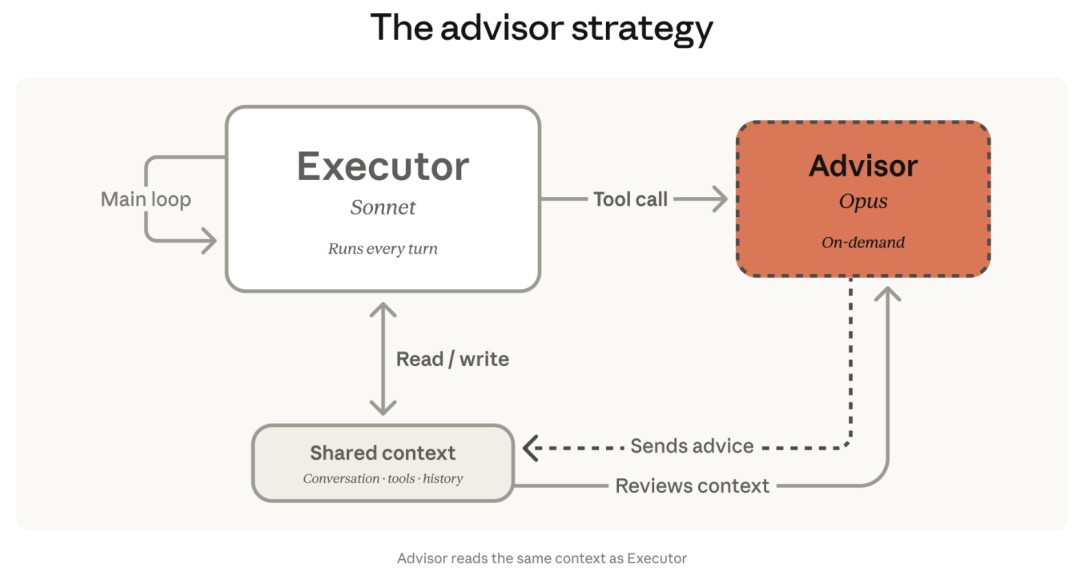
You let the most capable model, Opus 4.6, act as the “brain” or advisor.
You let the cheaper and faster models, Sonnet 4.6 and Haiku 4.5, do the heavy lifting as the workers.
In simple terms, Opus makes the big decisions. Sonnet and Haiku do the actual work.
In this new workflow, Sonnet and Haiku have full control over tool calls and task execution. They only call Opus when they get stuck.
This solves a real problem. Before this update, when an AI agent faced a hard question or could not solve a task, the only option was to call Opus through the API for everything. That got expensive fast.
Now Opus only steps in when needed. It reviews the situation, gives a plan or a correction, and then steps back. The cheaper model keeps running. This is a major shift from the old pattern where big models managed small models.
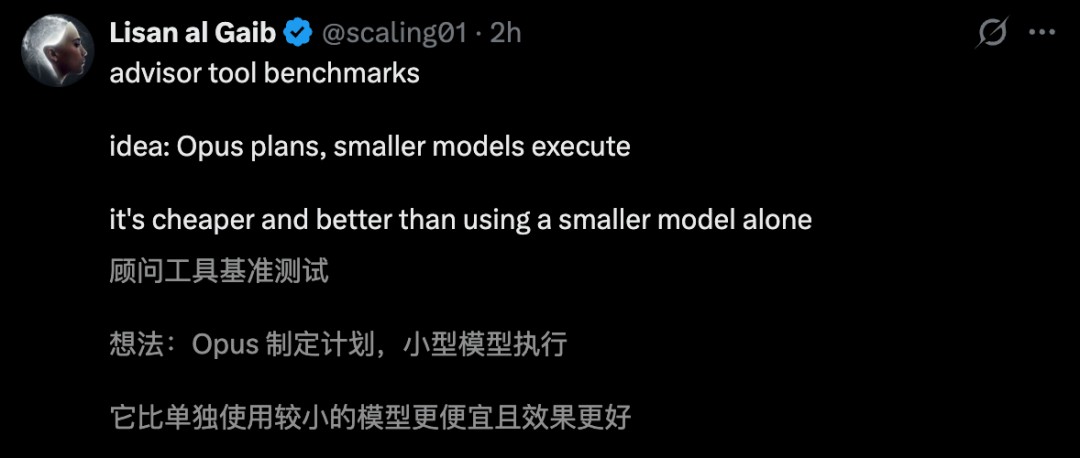
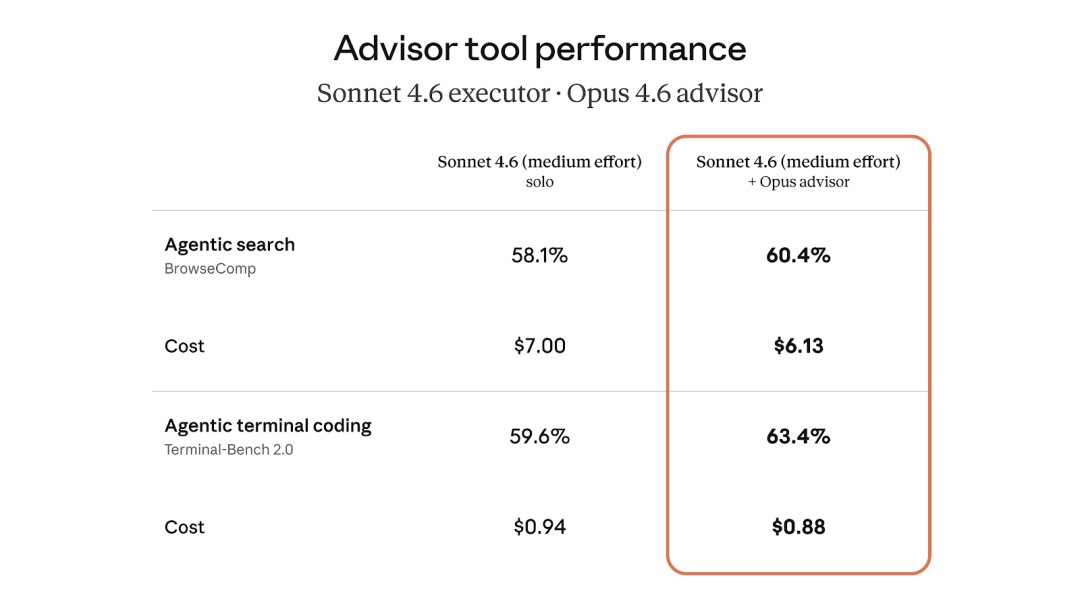
The benchmark results are impressive.
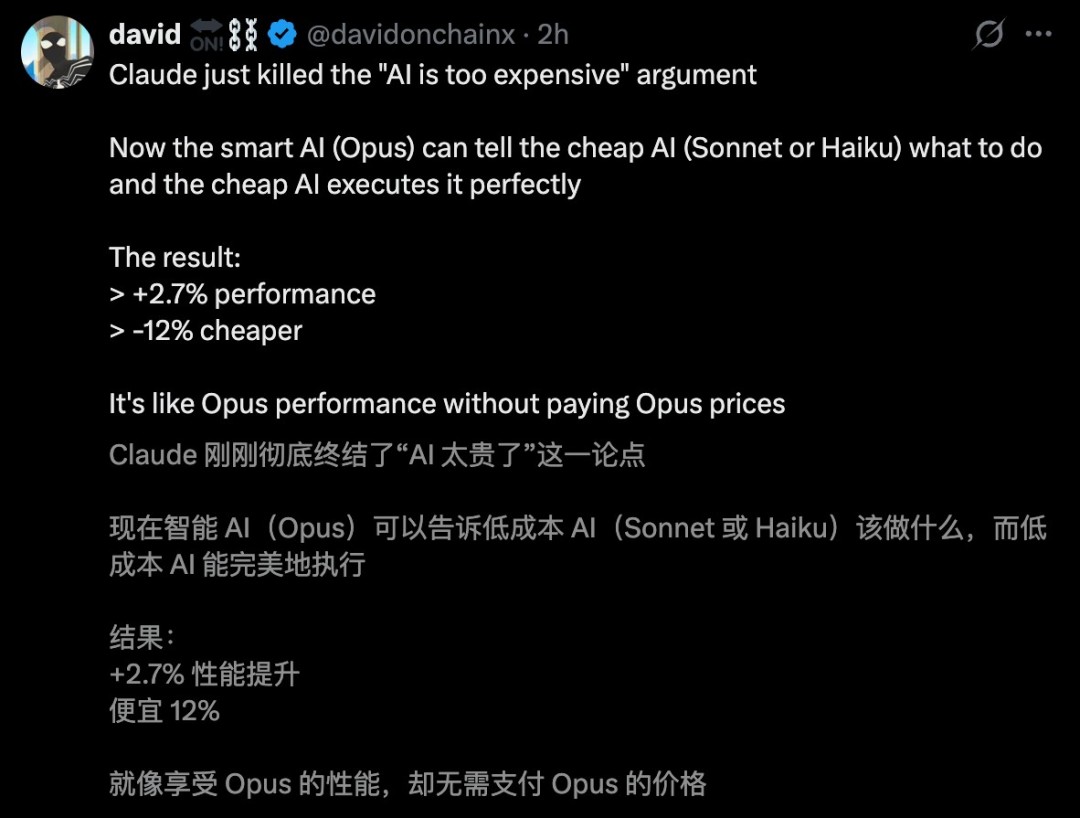
On the SWE-bench coding test, Sonnet 4.6 plus Opus 4.6 advisor scored 2.7 percentage points higher than Sonnet alone. At the same time, the cost per task dropped by 11.9 percent.
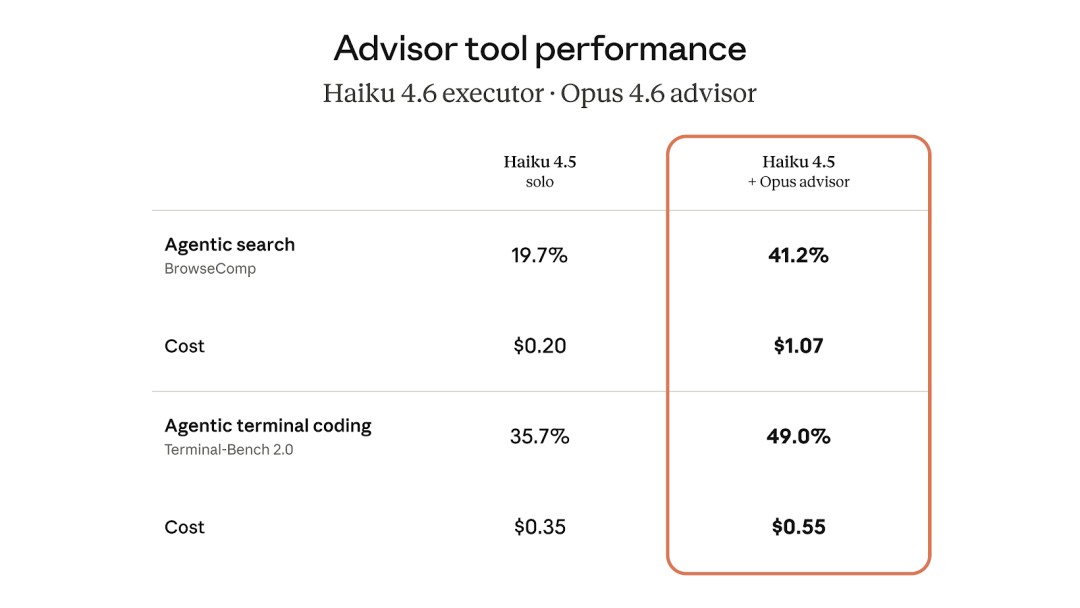
Even more striking, the Haiku 4.5 plus Opus 4.6 combo cost only $1.07 per task on average. That is a small fraction of the $7 you would pay using Sonnet alone for the same work.
In other words, you get Opus-level brain power without paying Opus-level prices for every single step.
But that is not all. Anthropic also launched the OpenClaw version of Claude, which is fully open source. This version gives developers even more freedom to build and customize.
This is not just an API update. It is a whole new way to think about AI efficiency.
 How Claude Advisor Strategy Works
For a long time, people building AI agents faced a tough choice. You could use the smartest but most expensive model for everything. Or you could use a cheaper model and accept lower quality on hard tasks.
The old pattern was like this. A strong LLM acted as the manager. It broke tasks into small pieces and sent them to smaller models. This wasted a lot of tokens and money because the big model had to stay involved at every step.
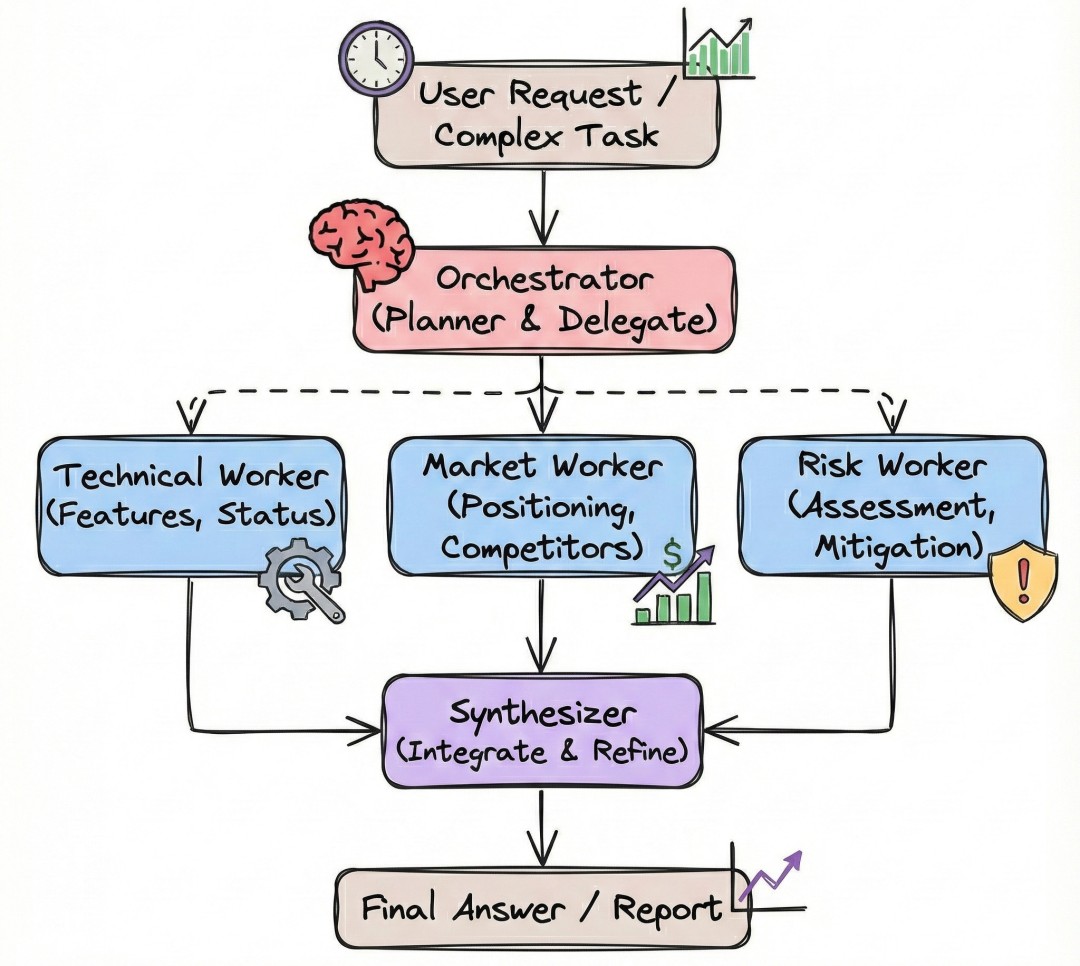
Think of it like a project team. The big model is the senior manager. The small models are junior staff. They all work on the same project. But the senior manager has to review every single email and decision. That is slow and costly.
The real problem is that even simple tasks need the big model to check them. Every task starts with a flood of tokens going to the expensive model.
Anthropic flipped this idea upside down. They turned the small model into the driver.
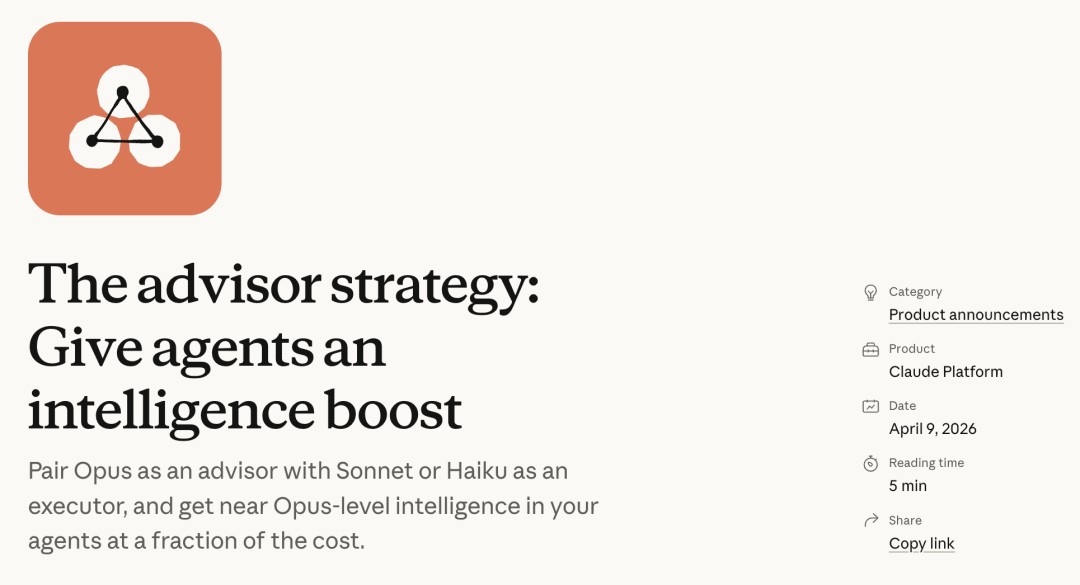
The Advisor Strategy works like a smart routing system.
The executor model, Sonnet or Haiku, runs the task. It calls tools, reads results, and tries to solve the problem. Only when it hits something it cannot handle does it call Opus for advice.
Opus looks at the full shared context, gives a plan or a correction, and then steps back. The executor keeps working with the new guidance.
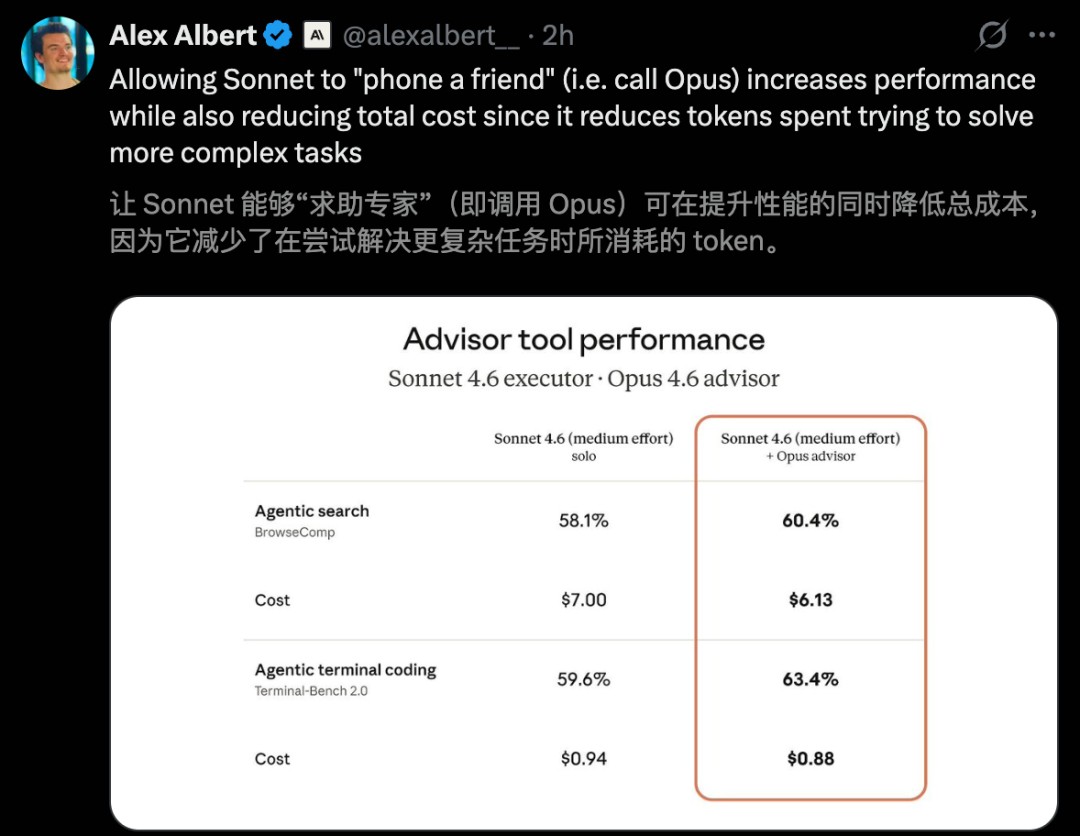
In early tests, the results speak for themselves.
On SWE-bench, Sonnet plus Opus advisor scored 2.7 percentage points higher than Sonnet alone. The cost per agent task was 11.9 percent lower than using Opus for everything.
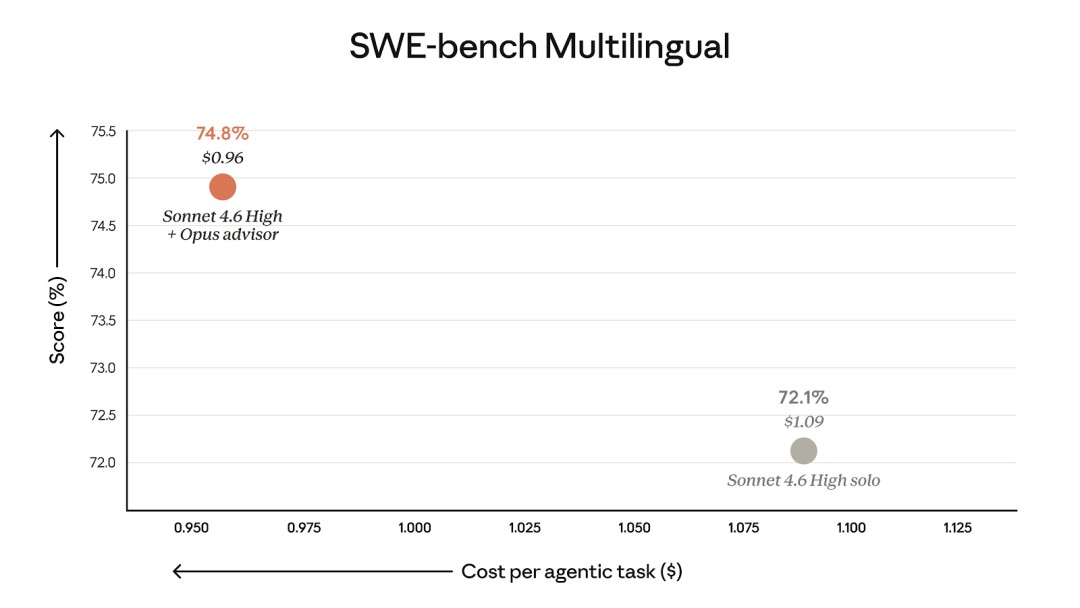
On other benchmarks, the gains are even bigger.
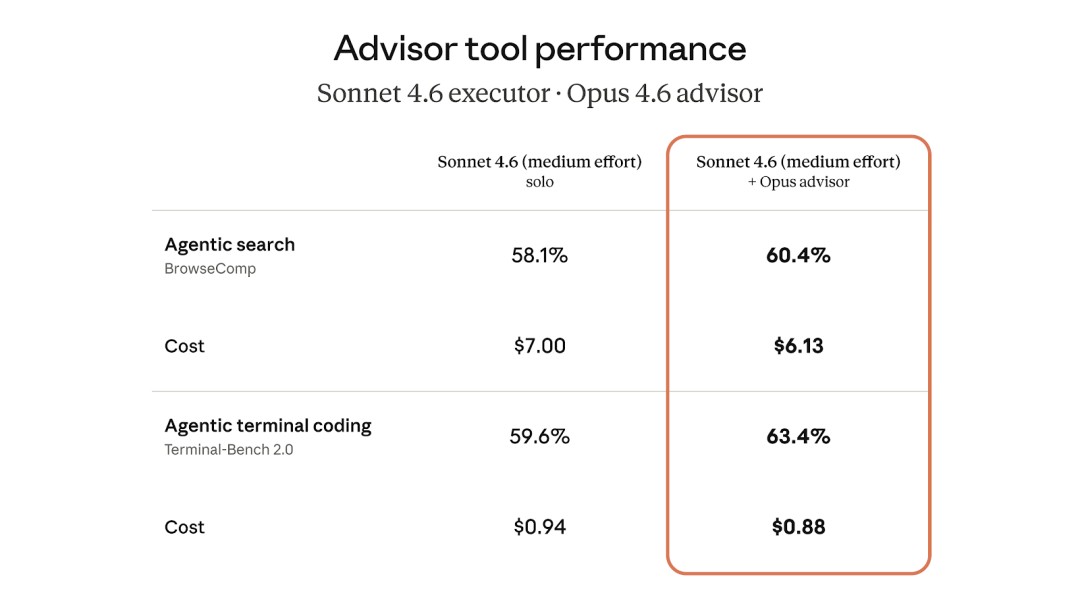
On BrowseComp, a test that measures how well an AI can browse and find information, Haiku 4.5 plus Opus advisor jumped from 19.7 percent to 41.2 percent. That is more than double the score.
On Terminal-Bench 2.0, the cost per task dropped to just 0.2 dollars.
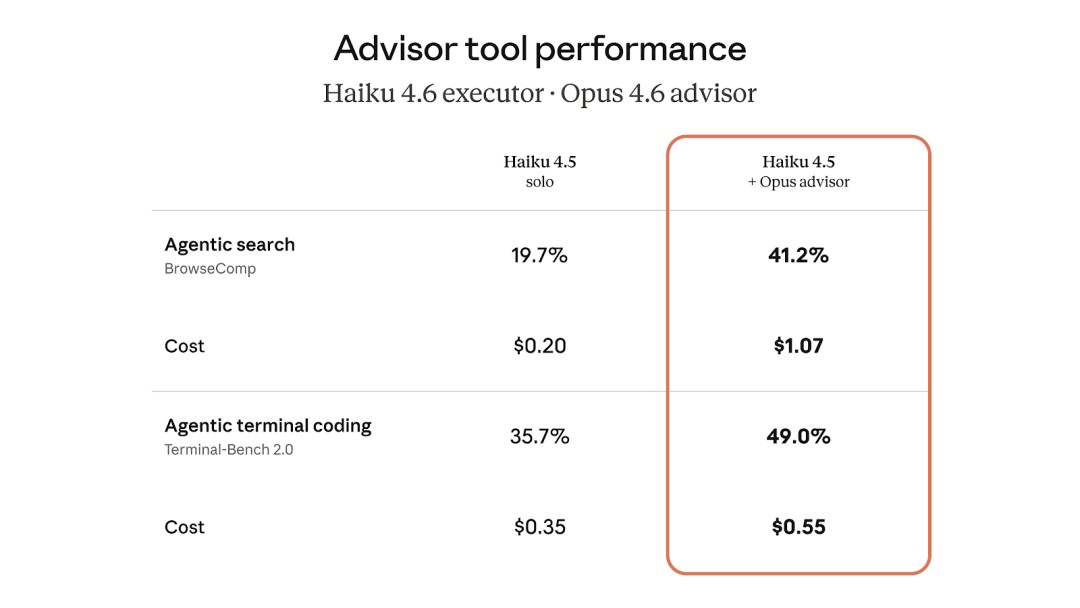
For tasks that need high quality but must also save money, Haiku is now a very attractive choice.
Anthropic put it simply. They said you can now build AI agents with near-Opus level brain power while keeping token costs close to Sonnet level.
 One Line of Code to Enable It
So how do you actually use this?

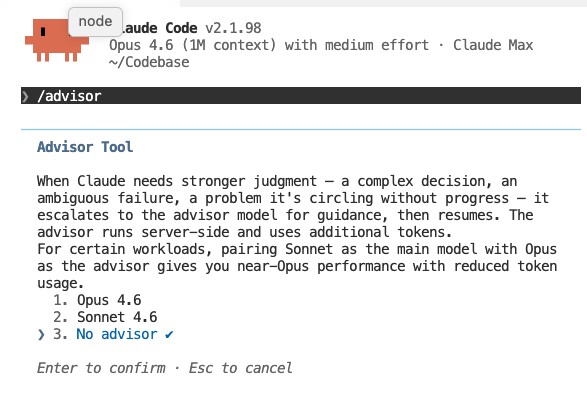
Right now, the Claude Platform has added an “advisor” option in the model selection area.
For API users, you only need to change one line of code in your API request to enable the Advisor Strategy.
In the Messages API, when you define the tools for the model, adding the advisor_20260301 tool will automatically enable the routing between executor and advisor inside the /v1/messages endpoint. You do not need to write any extra logic yourself.
The executor model decides on its own when to “call” the advisor.
When the executor model feels stuck or uncertain, it sends a request to the advisor model. The advisor model returns a plan, and the executor gets back to work. All of this happens within a single API request.
So how does the token billing work?
Advisor tokens are billed at Opus rates. Executor tokens are billed at Sonnet or Haiku rates.
The key point is that each consultation only sends a short plan, usually between 400 and 700 tokens. The big output still comes from the cheap executor model.
This means the expensive Opus model only handles the brain work. The cheap model handles all the heavy writing and tool use.

To prevent costs from getting out of control, Anthropic added a max_uses parameter.
You can set a hard limit on how many times the executor can call the advisor in one request. This caps the expensive Opus calls.
At the same time, Anthropic lists the token usage for each model in the API response metadata. You can track exactly how much each model costs.
Also, the advisor can see the full shared context including all tool calls and results.
For regular users of the Messages API, this is a completely transparent upgrade. You do not need to change your workflow at all.
Imagine an agent loop where one model writes code while another model reviews it. This is like having a senior engineer check the junior engineer’s work in real time.
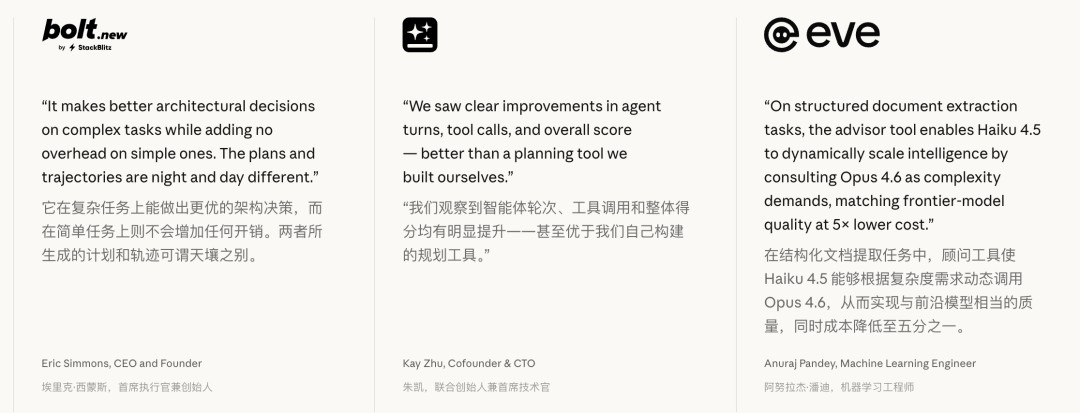
Some early users of the Advisor Strategy are already seeing great results. EVE, an AI learning assistant, reported that Haiku 4.5 plus Opus 4.6 advisor costs one fifth of using Opus alone while delivering near-Opus level performance.
 Agent Tasks Move to Background Scripts
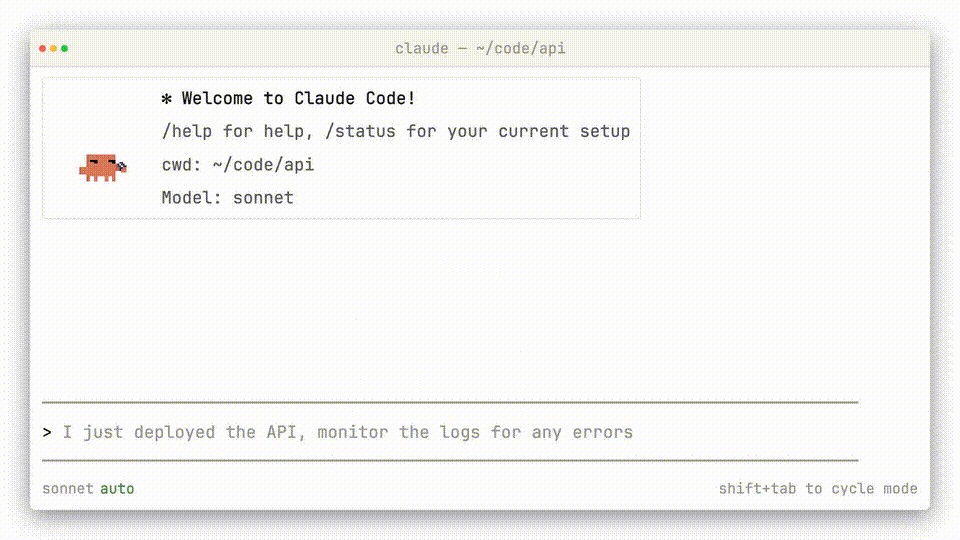
At the same time, Anthropic launched a new Monitor tool for Claude Code.
This tool lets Claude write background scripts and monitor their output in real time. Instead of polling repeatedly and burning tokens, Claude gets push notifications when the process has output.
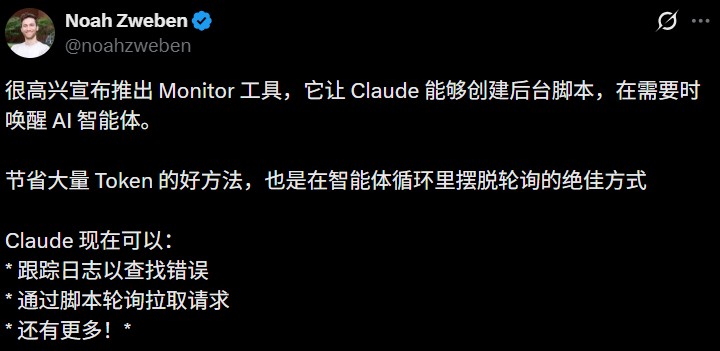
In the past, when an agent ran a background task like checking CI status or tracking PR updates, it had to ask repeatedly in a loop. Each question cost tokens.
Now with Monitor, Claude writes a background script once. The script reports back when something happens. Claude only acts when needed. This saves a huge number of tokens.
It is like the difference between a student who asks the teacher every minute if the test is ready, versus a student who waits for the teacher to announce it.
The Monitor tool makes Claude more like a real assistant.
When something important happens, Claude alerts you. When you need help, Claude is ready. This is a big step toward making AI agents that wake up when needed instead of running nonstop.

Advisor Strategy saves money on model usage. Monitor saves money on polling loops. Together, they cut the two biggest cost drivers in AI agents.
One saves model call costs. The other saves loop iteration costs.
clothes removerYou Do Not Need to Build Your Own Agent
Advisor Strategy and Monitor are just two pieces of a bigger picture.
Anthropic also launched Managed Agents, which handle maintenance and security for you at just 0.08 dollars per session hour.
Putting it all together, it is clear that Anthropic is not just selling API access anymore. They are building a full AI agent platform where model selection, task routing, and execution are all handled automatically.
undress ai tools
Advisor Strategy handles intelligence. Monitor handles efficiency. Managed Agents handle operations. MCP Connectors handle integrations. OpenClaw handles openness.
This is a complete AI agent platform. And the market is responding.
On the business side, Reuters recently reported that Anthropic is exploring custom AI chips. Their annual revenue run rate has crossed 3 billion dollars, up from 90 million just a year ago. In the enterprise AI market, Anthropic is now neck and neck with OpenAI at roughly 50-50 market share.
Companies like Sentry, Notion, and Rakuten have already invested. The battle for the sextbots AI agent platform is on, and Anthropic is making a strong play.
What This Means for You
Claude is becoming a serious force in the AI world.
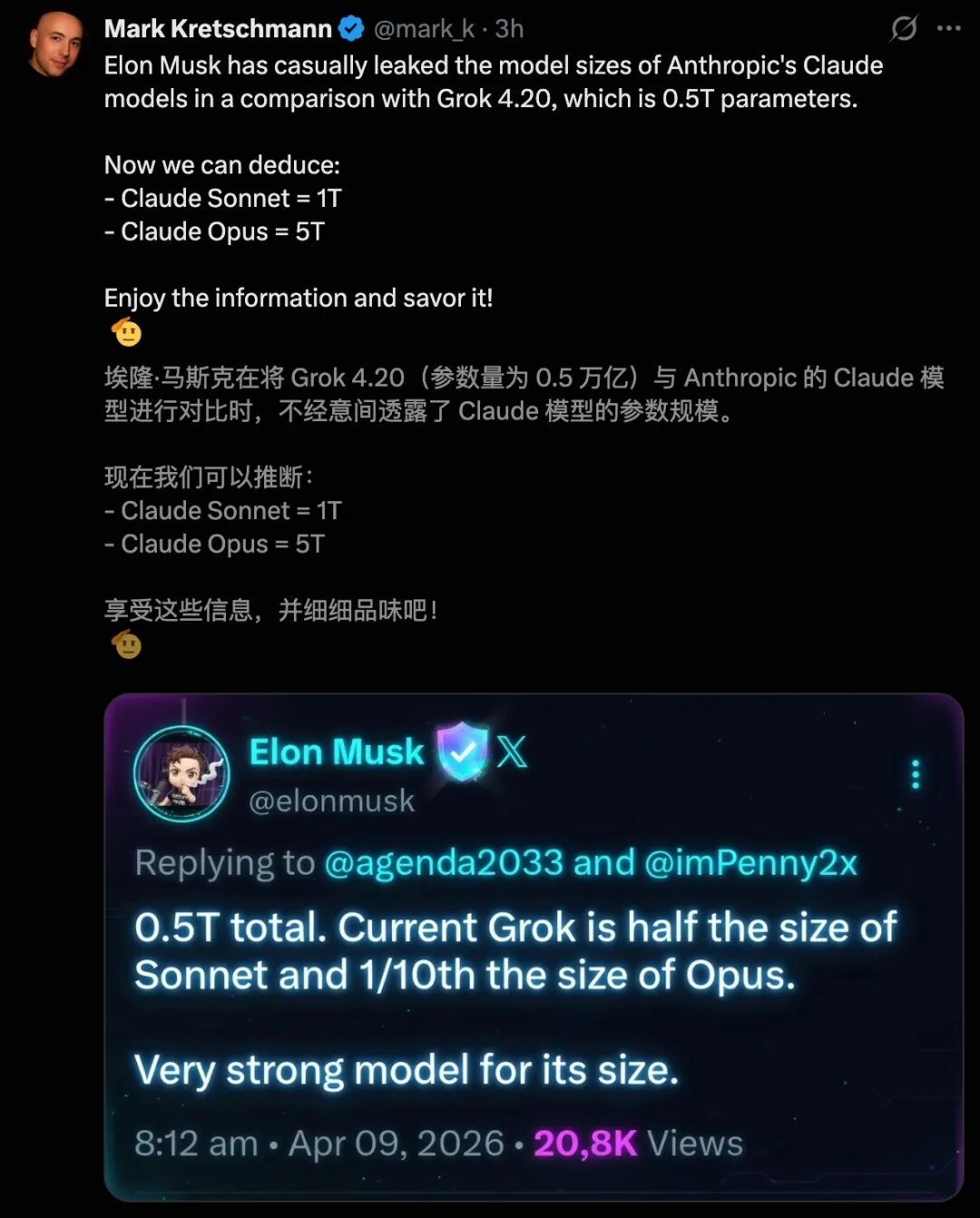
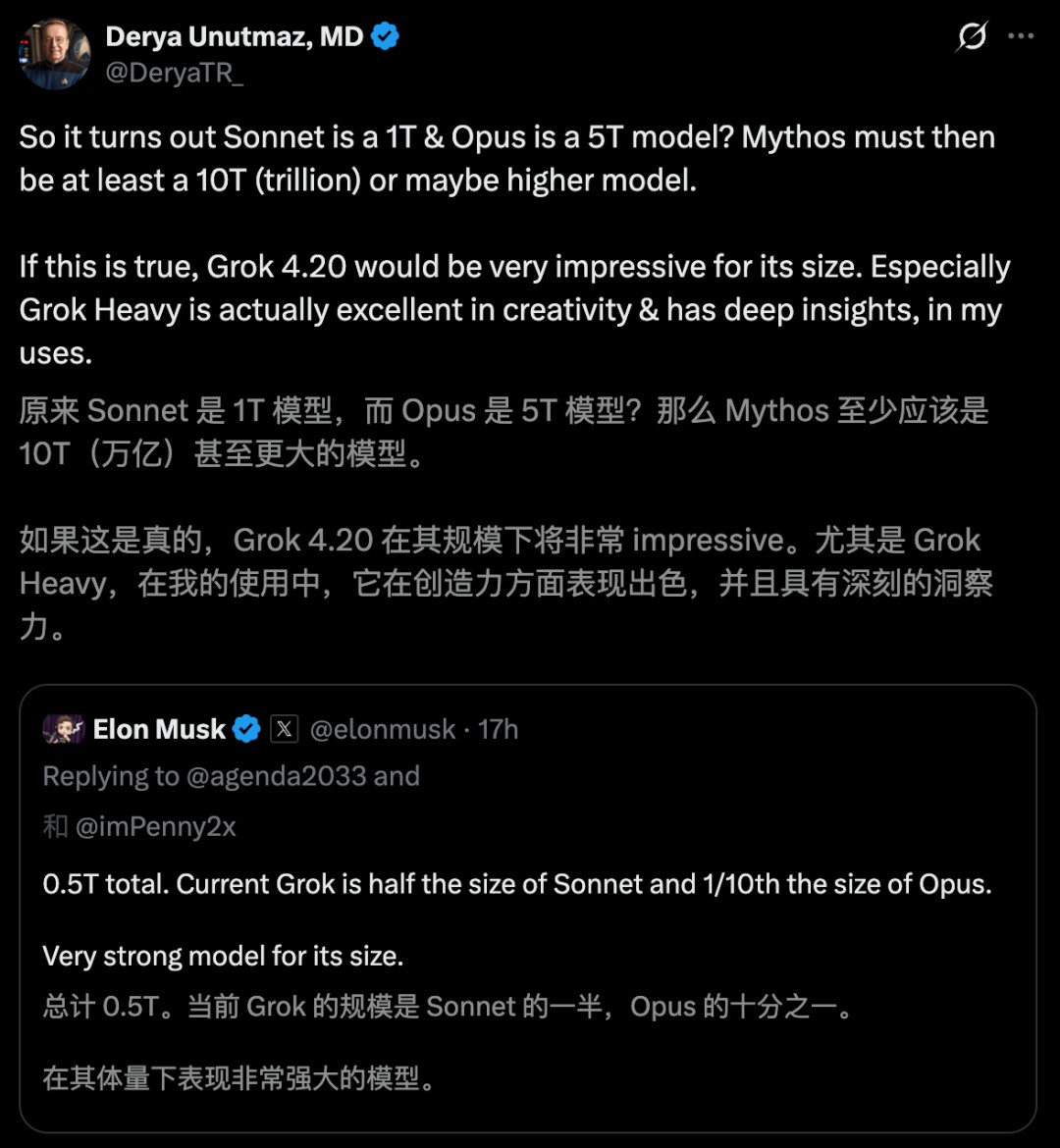
Elon Musk once compared his Grok 4.2 to Claude and leaked some internal numbers. He said Claude Sonnet uses about 1 trillion parameters while Opus uses around 5 trillion.
Based on this, some experts guess that the upcoming Claude Mythos model could reach 10 trillion parameters, putting it in a whole new league.

CADOAN is a professional, independent AI industry blog and information platform dedicated to the research, sharing, and popularization of artificial intelligence. We are a team of AI enthusiasts, researchers, and technical writers who focus on the development and application of modern artificial intelligence. We do not represent any commercial institution, technology company, or AI model camp. Our only position is to provide real, objective, and valuable AI content for readers, learners, developers, and business practitioners around the world.