
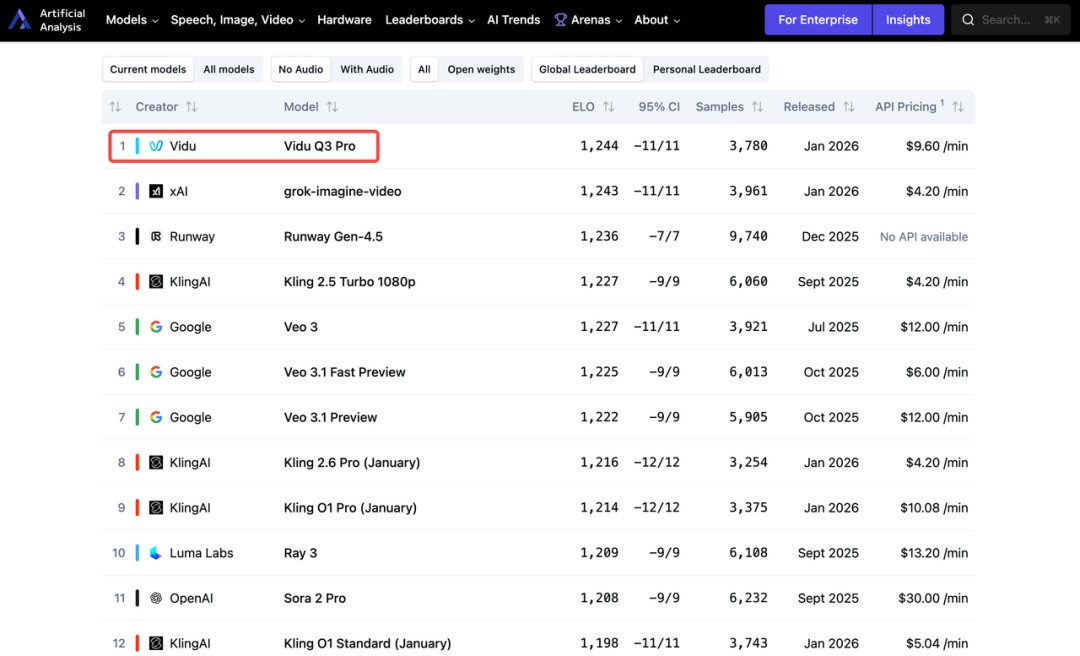
Vidu Q3 is back, and it is taking the global AI video world by storm. With a brand new reference generation feature, this Chinese AI video model has just claimed the top spot on two major global leaderboards. The timing could not be better.
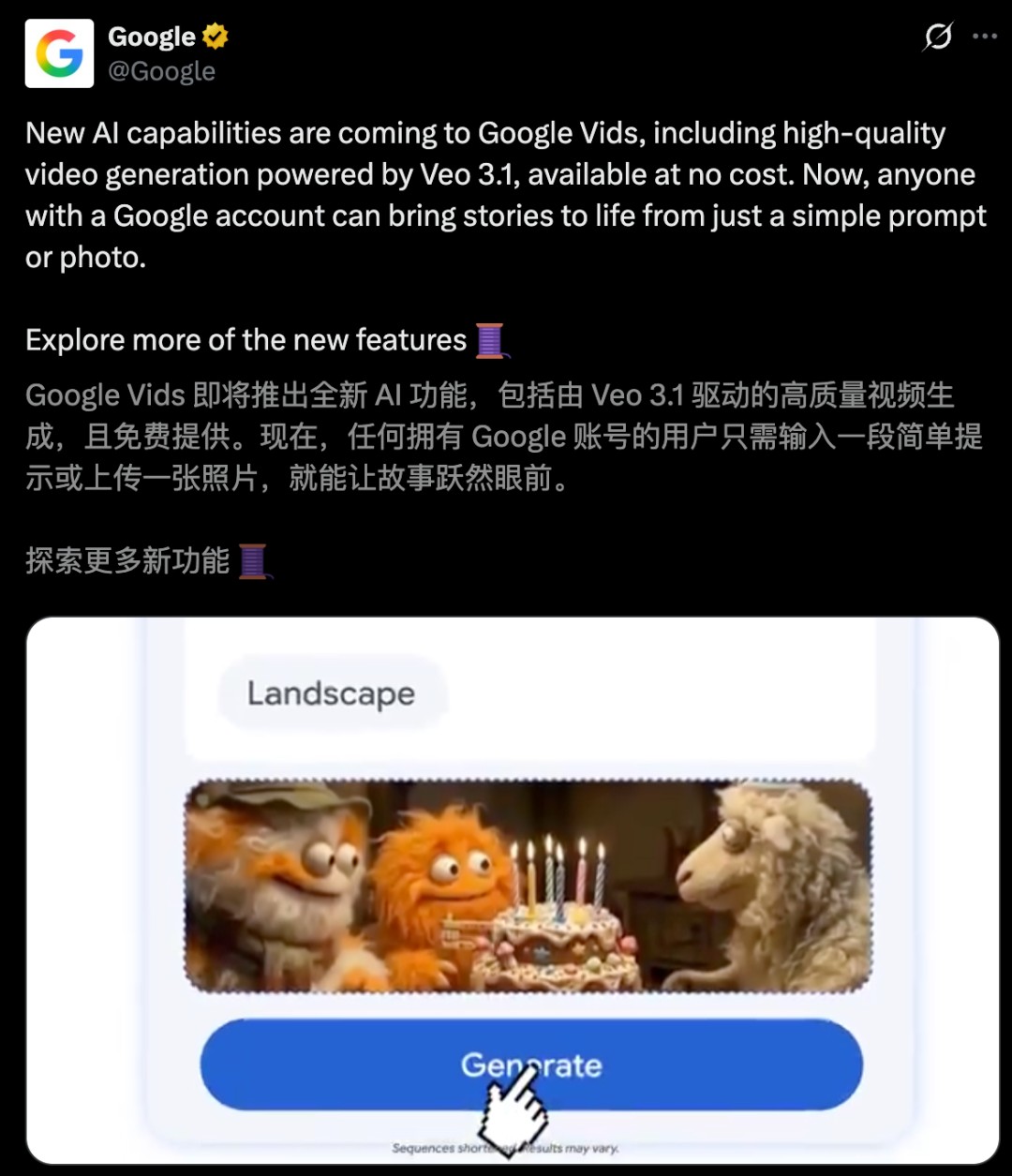
Google just released Veo 3.1, and Elon Musk opened the Grok video model to everyone. The competition is heating up.
But one thing is clear. The AI video race has reached a new level.
Just a few days ago, a 10-second video went viral on social media. It looked like a real performance piece. But it was entirely created by AI. No actors. No cameras. No studio.
The more you watch it, the more you want to watch it. Every frame is packed with detail that you cannot look away from.
The model can handle complex scenes. Between characters, objects, and the environment, everything stays connected in a logical way.
These demo videos have been spreading across social media. People are sharing them everywhere. A single flower. A team of dancers. A flowing silk ribbon. The visual quality is stunning.
At first glance, you would think it was shot by a professional film crew.
But here is the truth. It was all created by AI. In just a few seconds. With zero human actors. Zero cameras. Zero real locations.
Today, Vidu Q3 officially launched its reference generation feature.
As the worlds first reference generation model, it has once again raised the bar for the entire industry.
The Vidu Q3 reference model is now available across the entire product line. This includes Vidu SaaS, Vidu Agent, Vidu Claw, Vidu MaaS, and the Vidu AI creative platform.
On the Vidu AI creative platform, the cost is zero for basic use. The price is one-third of the industry average. The generation speed is also much faster.
At the same time, it supports text-to-video, image-to-video, and video-to-video services. Even during peak hours, the quality remains stable and reliable.
With one click, users can access a full AI video generation system that meets professional film standards.
What is more, Vidu Q3 now supports full video generation with reference images. This means you can create a complete video from a single reference image.
As the slogan says, it is built for creators. Vidu has turned what used to require a full film crew into something anyone can do with a single click.
From Reference to Video in One Click
To understand why this matters, let us look at the bigger picture.
On January 30, Vidu Q3 was officially released. It ranked first on the AA authoritative benchmark. This was the first time a Chinese model achieved this on a global scale.
It surpassed Grok Imagine, Gen-4.5, and even Google Veo 3.1. It beat every major model out there.
On the SuperClue benchmark, Vidu Q3 ranked first in both image-to-video and video-to-video reference generation. It won on both charts.
For the first time, Vidu Q3 is recognized as a world-class model. It is the first Chinese AI video model to reach the top 16 globally.
In fact, the AI video industry has long been dominated by foreign players. Chinese models were always seen as followers.
But Vidu has changed that. From text-to-video to image-to-video, from video splicing to complex scene transitions, Vidu has caught up and even surpassed the competition.
Whether it is character consistency, motion smoothness, or physical realism, Vidu now leads the pack.
Under these conditions, when we put the AI video demos side by side, the results speak for themselves. Vidu Q3 has reached a new milestone.
From text-to-video in Q2 to reference generation in Q3, Vidu has crossed a critical boundary. Every frame now shows a new level of quality and detail.
Each generation is a key step in the industrialization of AI video.
The core technology behind this leap is something Vidu has been working on from day one. Reference generation.
In the AI video world, reference generation plays a role similar to a scriptwriter. It gives the model a clear direction.
Previously, this was just a simple tool. A single image. A basic prompt. The results were random and hard to control.
But as the worlds first reference generation model, Vidu Q3 has redefined what reference generation means. This time, Q3 directly impacts the model layer and the application layer.
This is a huge change. It directly affects the creative space and industrial value of short films, dramas, ads, and movie previews.
In other words, Vidu has transformed AI video from a toy into a real tool for creators.
Cinematic Quality for Everyone
When it comes to video generation, the Vidu Q3 system has made a breakthrough in visual quality.
The core goal of Q3 is to achieve what the industry calls cinematic quality. This means the AI-generated video must look like it was shot with a real camera.
You need to know that cinematic quality is not just about high resolution. It is about the tiny details that make a scene feel real.
Vidu Q3 has made a major leap in visual quality across several key areas.
In terms of visual effects, Vidu Q3 handles lighting, shadows, reflections, and motion blur with stunning realism. The colors are rich and natural. The details are so fine that you can almost feel the texture of the objects on screen.
In terms of motion, the model captures natural movement patterns. The characters move with purpose. The camera work feels intentional. The overall flow is smooth and cinematic.
But what matters most is that Q3 has evolved into a true data unit that can be directly integrated into industrial workflows. From short clips to full scenes, from dramas to movie previews, the quality is there.
All of this proves that Vidu has achieved what the industry calls cinematic quality. It is no longer just a demo. It is a real production tool.
From point to surface, from single shot to full scene, Vidu has proven itself in real-world applications. It has crossed the boundary from a tech demo to a real industrial tool.
To prove this in practice, we tested Vidu Q3 against traditional film production methods. We created a series of scenes including high-end dining, classical interiors, fashion shows, and movie preview-style shots.
Visit Vidu.cn or Vidu.API to try the new Q3 reference generation video feature. Use invite code XZYN3 for 500 free credits.
Character Consistency
In the past, character consistency was one of the biggest pain points in AI video production.
High production costs, long timelines, and complex workflows. These problems still plague the AI video industry.
Some people call it the curse of AI video. Others say it is the last mile that AI video must solve.
A typical 60-second video requires dozens of shots. Each AI-generated clip is only 5 to 10 seconds long.
This means that to create a full video, you need to stitch together hundreds of clips.
In the past, AI models had a serious problem. Every shot looked different. The characters changed faces. The clothes changed colors. The lighting shifted. It was a mess.
Editors had to sit in front of their screens for hours, fixing these issues frame by frame.
But a model that can support character consistency while maintaining speed and quality is the holy grail of the industry.
Now, with Vidu Q3, this problem is solved. With just one reference image, the model can generate a complete video where the character looks the same in every frame.

Facial expressions, anger, joy, subtle eye movements. The character remains consistent from start to finish.
Under different lighting conditions, with different camera angles, the character still looks like the same person.
For example, we gave Q3 a character image of an ancient-style woman, a scene image of an underwater palace, and a mobile phone reference image.
The prompt was simple. At image 1, at image 2, under image 3, the woman walks through the underwater palace.



Click to view the full video.
You can see that the woman in the video maintains her appearance perfectly. There is no facial distortion. No clothing errors. No unnatural movements. The hair flows naturally. The silk dress moves with the wind.
What is more, the facial micro-expressions, the eye contact, and the emotional delivery are all on point.
Some people say this is the so-called dual-actor effect. It is like having two actors who look exactly the same. But in reality, it is just one AI model doing what used to require a full film crew.
In the gaming world, we have seen this before. But with Vidu Q3, the level of consistency and realism is on another level.


From facial features to clothing details, from dynamic movements to static poses, Vidu Q3 maintains character consistency at a level that breaks through the traditional AI video barrier.
What is more, the visual effects of the generated videos reach cinema-level quality.
The underwater palace scene shows rich details. The light filtering through the water creates a dreamy atmosphere. The bubbles rise naturally. The character moves through the water with realistic physics.
At every moment, the video feels like a real movie scene.
Short Drama Revolution
When it comes to short dramas, the core challenge is scene stitching.
Short dramas are like a condensed version of a full movie. Under tight budgets and timelines, every shot must be precise. Every camera angle. Every movement. Every pause. They all need to match the rhythm of Chinese-style emotional storytelling.
Traditionally, this was the backbone of the short drama industry.
Before AI video, even a simple dialogue scene required multiple cameras, multiple actors, and multiple locations. Either you shot at different times and stitched them together, or you used green screens and post-production. Either way, it was expensive and time-consuming.
But with Vidu Q3, a single model can handle the entire production pipeline.
We tested a classic Chinese-style martial arts duel scene using Vidu Q3. The results were stunning.


Vidu Q3 generated complex martial arts movements, intricate costume details, and natural facial expressions. The characters moved with speed and power. The camera work was dynamic.
The director said it felt like watching a real martial arts film. The fight choreography was on point.
We also tested a modern drama scene. The emotional tension between a female lead and a male lead was captured perfectly by Vidu Q3.


Fashion and Advertising
In the fashion and advertising world, AI video generation faces unique challenges.
Until now, most AI video versions had problems with fabric texture, lighting, and material realism.
But fabric texture, lighting speed, and material quality are exactly what matter most.
Vidu Q3 handles fabric texture, lighting, and material quality with stunning realism. Whether it is silk, cotton, or leather, the details are there.
For example, in a fashion brand showcase, Vidu Q3 can generate models wearing different outfits with consistent style.
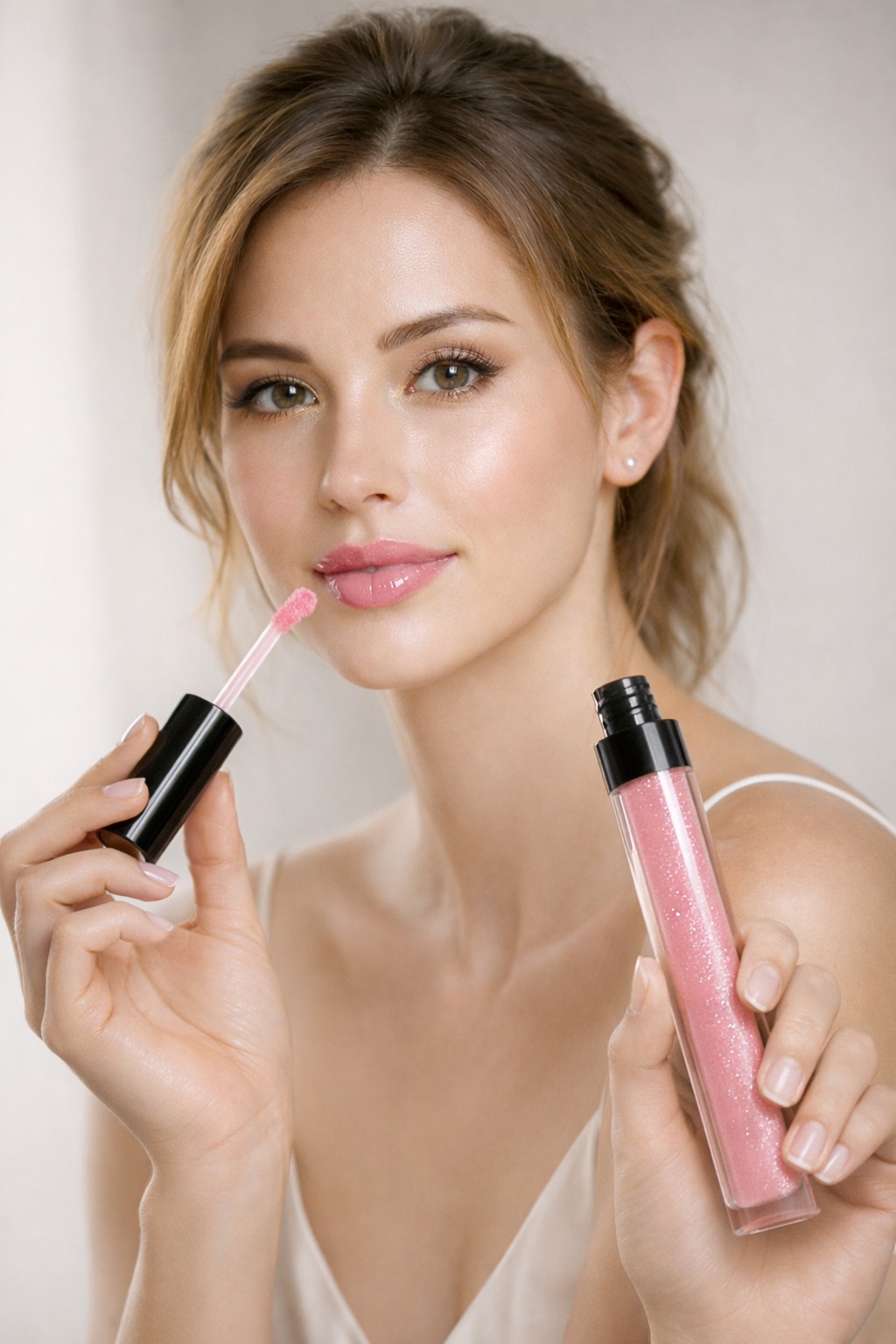
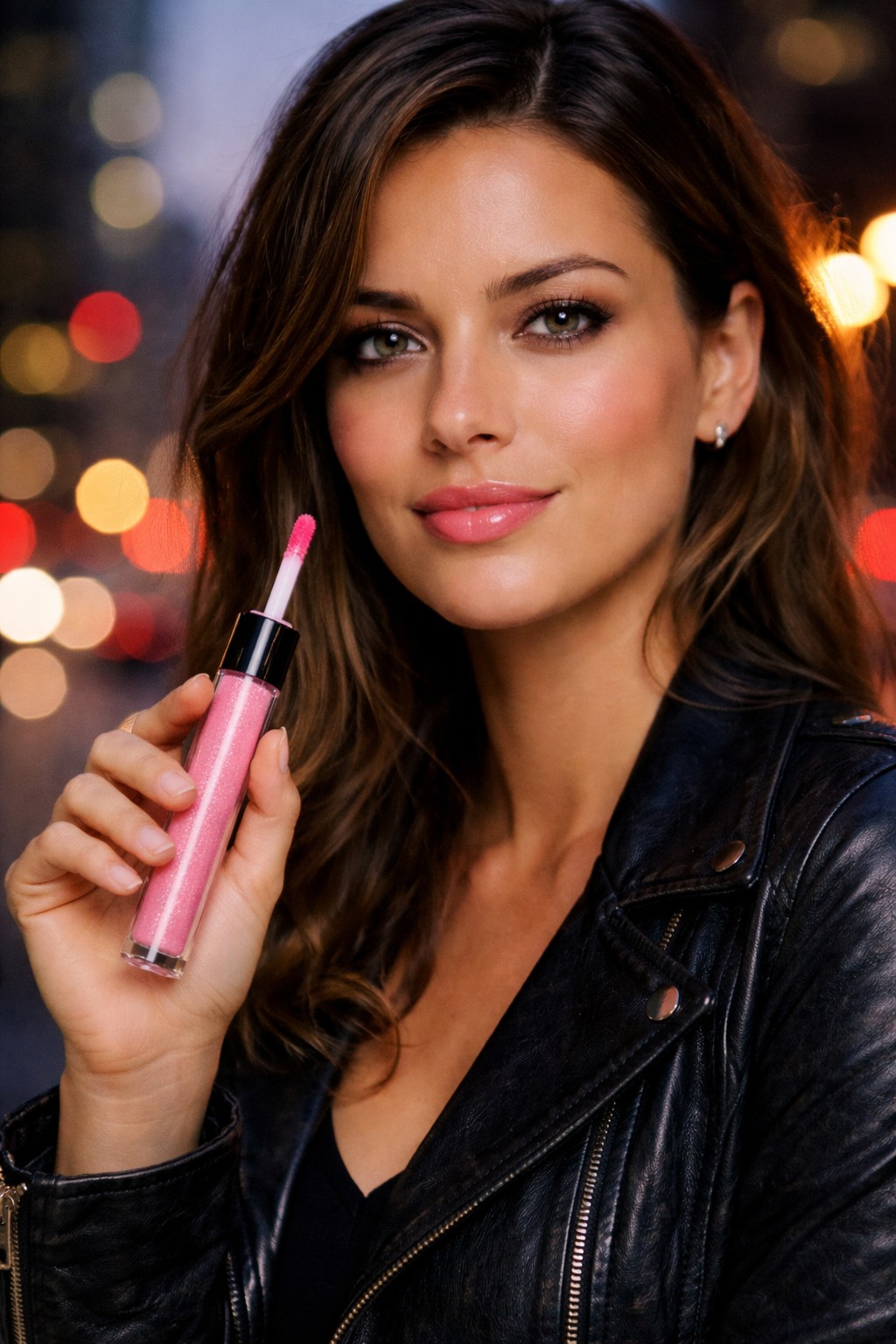
Just replace the reference model, and you get a completely different style. The same scene. The same lighting. But a different look.
From head to toe, from fabric to pose, the model can generate fashion show-level quality.
Close-up shots show fabric texture in stunning detail. Wide shots show the full outfit with dynamic movement.
We tested a luxury brand showcase. Vidu Q3 generated a model wearing a high-end dress. The lighting was perfect. The fabric texture was realistic. The overall look was magazine-quality.

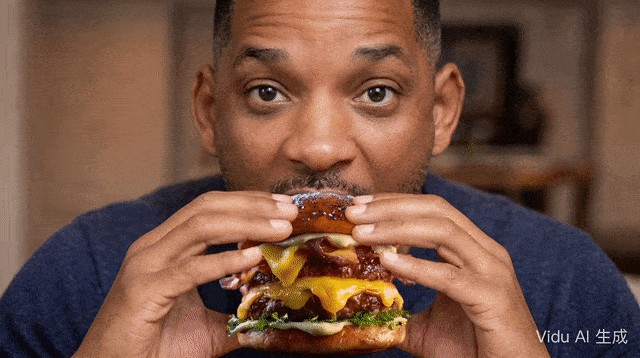
Click to view the full video.
The effect is stunning. The quality is unbelievable.
best free ai porn
Movie Preview and Data-Driven Creation
Movie previews are the crown jewel of AI video. They are also the most complex and girlfriend gpt valuable.
In the past, a movie preview required a full team. Scriptwriting, storyboarding, preview design, and visual effects. All of these steps needed human experts.
Behind each preview, there are thousands of data points. The cost is measured in days or months.
Traditionally, production teams would read the script, plan the shots, and then shoot the preview scenes far in advance. Before spending real money, they would test the concept with a small team.
But Vidu Q3 chose a different path. It went straight to data-driven creation.
With one prompt, you can generate a complete movie preview.
We used a reference image of a cyberpunk city, a character image, and a scene image. The prompt was a movie preview chase scene. The character runs through the cyberpunk city. The camera follows from behind. The character jumps across rooftops. The neon lights reflect off the wet streets. The rain adds atmosphere. Suddenly, an explosion. The character is thrown back. The camera shakes. The scene cuts to a close-up of the character’s face. The eyes show determination. The preview ends with a wide shot of the city.
The result was stunning. Every detail was there. The neon lights. The rain. The camera movement. The explosion. The character’s expression. It all felt like a real movie preview.
But what shocked us even more was the spatial awareness. Vidu Q3 understood the layout of the city. The character moved through the space in a logical way. The camera angles made sense. The pacing was perfect.
The visual effects were cinema-quality. The lighting, the reflections, the particle effects. They all added to the immersive experience.
After this test, Vidu Q3 has proven itself in large-scale scene applications. It has reached a new high point in cinematic quality.
The Future of AI Video Is Here
Looking back at the history of technology, every great tool has gone through the same journey. From toy to tool.
When animation was first invented, people were amazed by the magic of moving images. When movies were born, people were amazed by the power of storytelling. But in the end, what survived were the tools that became part of the industry.
Today, the AI video industry is going through the same transformation.
Vidu Q3 uses a simple底层 algorithm. Through the evolution from Q1 to Q3, the model has learned to understand the logic of video creation. It has become a tool that serves creators.
What is more important is that when you cannot get a good video in one try, the AI video platform becomes your creative partner. It helps you refine your ideas. It helps you iterate. It becomes your production assistant.
From reference generation to video creation, from single images to full scenes, Vidu has crossed the boundary from a tech demo to a real industrial tool.
In the Vidu App, a new creative engine is born. Vidu Claw is a fully automated creative engine. Vidu Q3 is the visual effect and cinematic quality engine behind it.
The reason is simple. Every detail in the video, every moment in time, requires precise control.
What you need is not just a tool. You need a creative partner that understands the logic of industrial production.
The pre-show of AI video has already begun. On the creative platform, the real show is about to start. Vidu Q3 has returned to the stage. It is ready to redefine the rules.
When the impossible becomes possible, the real story is just beginning.
The best is yet to come.
Visit Vidu.cn or Vidu.API to try the new Q3 reference generation video feature.
Use invite code XZYN3 for 500 free credits.

CADOAN is a professional, independent AI industry blog and information platform dedicated to the research, sharing, and popularization of artificial intelligence. We are a team of AI enthusiasts, researchers, and technical writers who focus on the development and application of modern artificial intelligence. We do not represent any commercial institution, technology company, or AI model camp. Our only position is to provide real, objective, and valuable AI content for readers, learners, developers, and business practitioners around the world.